Rehabilitation
Fourier GR-1: How Rehabilitation Robots Are Achieving 15–20% Faster Patient Recovery
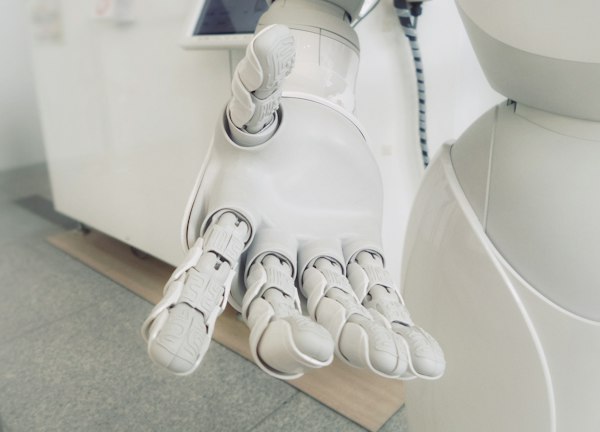
Fourier Intelligence's GR-1 humanoid robot, deployed across rehabilitation centers in China, is delivering measurable improvements in patient recovery times — 15–20% faster across key mobility metrics.
The GR-1 brings 43 degrees of freedom to rehabilitation therapy, enabling precise, repeatable movement patterns that human therapists struggle to maintain over extended sessions. Unlike human therapists who fatigue, the GR-1 delivers tireless, consistent repetitive movements crucial for neurological recovery.
- Gait training: Step-by-step guided walking with real-time force feedback
- Upper limb recovery: Precise arm and hand movement exercises with adaptive difficulty
- Balance rehabilitation: Dynamic balance challenges with safety-first protocols
- Progress tracking: Quantified metrics shared with medical teams in real-time
The key advantage is consistency. Rehabilitation requires hundreds of repetitions of the same movement pattern. The GR-1 delivers each repetition with millimetre-level precision, and it can adjust difficulty dynamically based on patient performance data.
Source: Robozaps Healthcare Report 2026
Hospital Logistics
The Nursing Shortage Crisis: Why Hospitals Are Turning to Humanoid Robots
The WHO projects a 13 million nursing shortage by 2030. Hospitals aren't waiting — they're deploying robots for logistics, freeing nurses to focus on patient care.
At Cedars-Sinai Medical Center in Los Angeles, the Moxi robot helped nurses regain 30 minutes per shift by handling supply runs and equipment delivery. The robot reduced cumulative walking distance by 300 miles in just its first weeks of deployment.
Texas Health Resources saw even more dramatic results: a single site returned 600 hours to care teams by delegating non-clinical tasks to robotic assistants.
The most effective use cases for hospital robots today include:
- Supply runs: Delivering medications, linens, and equipment between departments
- Medication delivery: Secure, tracked transport from pharmacy to ward
- Patient wayfinding: Guiding patients and visitors through complex hospital layouts
- Sample transport: Moving lab specimens with proper chain-of-custody tracking
Source: California Association of Healthcare Leaders
Social Robotics
Mirokaï and Pepper: How Social Robots Are Fighting Loneliness in Elderly Care Facilities
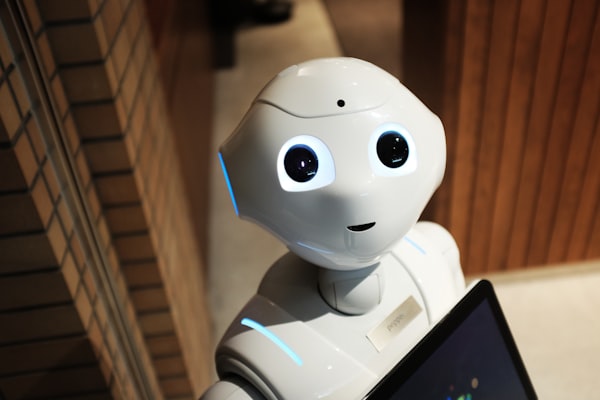
Enchanted Tools' Mirokaï robot has been deployed at the Institut du Cancer de Montpellier for paediatric cancer care, while SoftBank's Pepper continues to serve Japanese eldercare facilities with daily social interaction programs.
Mirokaï, with its expressive face and gentle demeanour, has become a regular companion for young cancer patients undergoing treatment. The robot provides distraction during difficult procedures and offers a non-judgmental presence during long hospital stays.
In Japanese eldercare facilities, Pepper conducts structured daily programs:
- Daily check-ins: Morning wellness conversations that detect mood changes
- Exercise routines: Guided physical activities adapted to mobility levels
- Medication reminders: Gentle, persistent prompts with confirmation tracking
- Family video calls: Simplified one-touch calling for residents with limited tech skills
Research consistently shows that social robots reduce anxiety, improve mood in dementia patients, and decrease the sense of isolation that accelerates cognitive decline. The robots don't replace human care — they fill the gaps between caregiver visits.
Source: Robozaps Eldercare Report 2026